

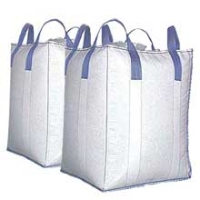
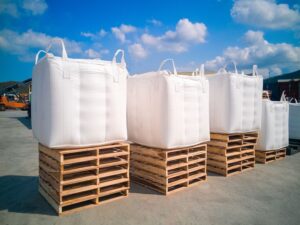
Global FIBC Market to Reach USD 5.03 Billion by 2023
The global FIBC market is poised to reach a substantial value of USD 5.03 billion by 2023, driven by a steady CAGR of 4.5% throughout the forecast period. This remarkable growth is primarily attributed to the surging demand for FIBC bags across diverse industries, including construction, agriculture, chemicals, and pharmaceuticals. Industry Drivers Fueling Market Expansion The construction industry is a significant contributor to the expanding FIBC market. The growing demand for durable and cost-effective packaging solutions in the construction sector is propelling the adoption of FIBC bags. These bags offer superior protection for construction materials like cement, sand, and gravel during transportation and storage. In the agricultural sector, FIBC bags have emerged as a preferred packaging solution for storing and transporting grains, fertilizers, and other agricultural products. Their versatility, durability, and cost-effectiveness make them a compelling choice for farmers and agricultural businesses. The chemical industry also relies heavily on FIBC
The Future of FIBC Bags: Sustainable Innovations and Emerging Technologies
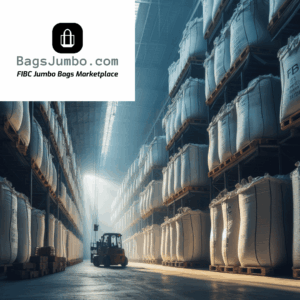
Traditionally the workhorses of bulk material handling, Flexible Intermediate Bulk Containers (FIBC) bags are undergoing a revolution. Driven by environmental concerns, technological advancements, and evolving industry needs, the future of FIBC bags is paved with sustainability and innovation. Embracing Sustainability: The linear model of single-use FIBC bags is giving way to a circular economy. Biodegradable options made from plant-based materials are emerging, promising decomposition without harmful microplastics. Recycled polypropylene is reducing virgin plastic usage, while repair and reuse programs extend the life cycle of existing bags. Companies like BagsJumbo.com are leading the charge with initiatives like their “Buy Back and Reuse” program, offering incentives for returning used bags for responsible recycling or repurposing. Technological Leap: Smart FIBC bags embedded with sensors are on the horizon. These sensors can monitor temperature, pressure, and even GPS location, providing real-time data on product quality and shipment status. This opens doors for predictive maintenance,
FIBC Bags Revolutionize Grain Storage and Distribution
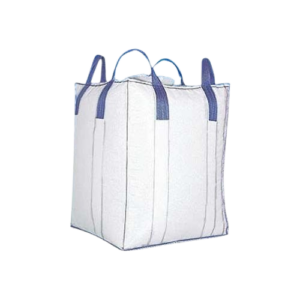
FIBC bags, also known as bulk bags or jumbo bags, have revolutionized grain storage and distribution by providing a cost-effective, durable, and scalable solution. These bags offer several advantages over traditional packaging methods, making them an essential tool for farmers, grain handlers, and food processors worldwide. Reduced Packaging Costs One of the primary benefits of FIBC bags is their ability to reduce packaging costs significantly. Compared to traditional packaging materials like wooden crates or metal drums, FIBC bags are far less expensive, offering a cost-effective solution for packaging and transporting large quantities of grain. Improved Storage Efficiency FIBC bags offer superior storage efficiency compared to traditional packaging methods. Their flexible design allows them to be stacked more efficiently, maximizing storage space and reducing warehouse costs. This is particularly advantageous for grain elevators and storage facilities, enabling them to store larger volumes of grain in a smaller footprint. Enhanced Product Protection
FIBC Bags: The Safeguards for Hazardous Chemical Transportation
The movement of hazardous chemicals across the globe is a delicate and crucial endeavor, demanding the utmost safety and compliance with stringent regulations. In this intricate process, FIBC bags, also known as bulk bags or jumbo bags, play an indispensable role, ensuring the secure and compliant transportation of these potentially harmful substances. UN Certification: Adhering to Global Standards FIBC bags, designed specifically for hazardous materials packaging, are meticulously crafted to meet the rigorous international standards set by the United Nations (UN). UN certification signifies that these bags have undergone stringent testing and evaluation, ensuring they possess the necessary properties to safely contain and transport hazardous chemicals. This certification instills confidence in all stakeholders involved in the transportation chain, from manufacturers to end-users. Leak-Proof and Tamper-Evident: Protecting Against Spills and Unauthorized Access Leak-proof construction is paramount when transporting hazardous chemicals, as even the slightest seepage can pose severe environmental and health
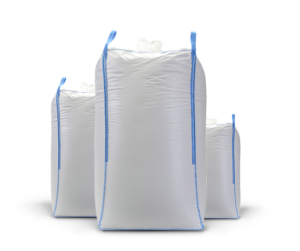
FIBC Bags: Embracing Sustainable Practices for a Greener Future
In today’s environmentally conscious world, businesses are increasingly seeking sustainable packaging solutions to reduce their environmental footprint and contribute to a greener future. FIBC bags, also known as bulk bags or jumbo bags, have emerged as a frontrunner in sustainable packaging, offering a multitude of advantages over traditional methods. Reusable Solutions: Minimizing Waste and Resource Consumption One of the key environmental benefits of FIBC bags lies in their reusability. Unlike disposable packaging materials that end up in landfills, FIBC bags can be reused multiple times for storing and transporting a variety of goods. This reusability not only reduces waste generation but also conserves valuable resources, such as wood and plastic, that would otherwise be consumed for the production of single-use packaging. Recyclable Materials: Closing the Loop on Resource Utilization A significant portion of FIBC bags are manufactured from recyclable materials, primarily polypropylene (PP). PP is a highly recyclable plastic that
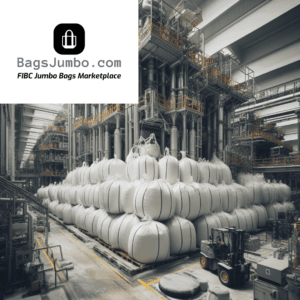
Beyond Price: Factors to Consider When Choosing an FIBC Bag Supplier
In the bustling world of bulk packaging, Flexible Intermediate Bulk Containers (FIBCs), affectionately known as jumbo bags, reign supreme. These dependable workhorses carry everything from fertilizers to food grains, offering a cost-effective and efficient solution for handling vast quantities of materials. But when it comes to selecting the right FIBC supplier, focusing solely on price can be a recipe for trouble. While a competitive quote is enticing, remember, the cheapest option isn’t always the best value. To ensure a smooth and successful partnership, look beyond the bottom line and delve deeper into the hidden gems that truly define a reliable FIBC supplier. In this article, we’ll explore three crucial factors to consider: quality, service, and sustainability. 1. Quality: Building a Foundation of Trust Imagine this: your shipment of precious coffee beans arrives, only to discover compromised bags and a disastrously spilled payload. The consequences? Financial losses, damaged reputation, and a


Conductive FIBC Market Revenue, Gross Margin, Market Share, Manufacturing Process Analysis 2021-2027
Global Conductive FIBC Market is one of the most comprehensive and important additions to QY Research’s archive of market research studies. It offers detailed research and analysis of key aspects of the global Conductive FIBC market. The market analysts authoring this report have provided in-depth information on leading growth drivers, restraints, challenges, trends, and opportunities to offer a complete analysis of the global Conductive FIBC market. Market participants can use the analysis on market dynamics to plan effective growth strategies and prepare for future challenges beforehand. Each trend of the global Conductive FIBC market is carefully analyzed and researched about by the market analysts. The market analysts and researchers have done extensive analysis of the global Conductive FIBC market with the help of research methodologies such as PESTLE and Porter’s Five Forces analysis. They have provided accurate and reliable market data and useful recommendations with an aim to help the
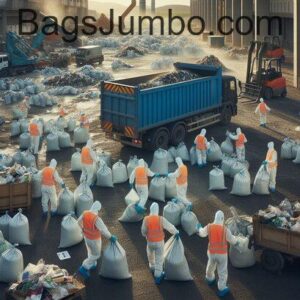
Circle of sustainability: From bottle to bag, PET granulate finds a green route with recycled FIBCs
Big Bags are used to transport and store recycled PET granulate until the converting plant can process the material into preforms for blowing bottles. Empty bags are sent to Velebit’s facility to be recycled into post-consumer recycled polypropylene granulate. This is then converted back into Big Bags by LC Packaging’s production partner using Starlinger’s rPP extrusion technology. Although the FIBCs are no longer suitable for food-contact applications in their new form, they are said to contain 30% recycled content. “With our recycling and extrusion technology, Starlinger acts as the connecting link in this project, providing the high-quality recycled polypropylene and heavy-duty tapes needed for Big Bag production,” adds project manager rPP Andreas Anderl.The companies emphasize the importance of using post-consumer recyclate rather than post-industrial recyclate in the project, with its previous use, sorting, collecting, cleaning, and recycling into new recycled polypropylene granules claiming to result in a positive environmental impact.
Shree Tirupati Balajee FIBC demonstrates strong debt management capabilities and is expected to maintain control in the foreseeable future
Shree Tirupati Balajee FIBC has a debt to EBITDA ratio of 3.0 and its EBIT covered its interest expense 5.4 times. Taken together this implies that, while we wouldn’t want to see debt levels rise, we think it can handle its current leverage. We note that Shree Tirupati Balajee FIBC grew its EBIT by 28% in the last year, and that should make it easier to pay down debt, going forward. There’s no doubt that we learn most about debt from the balance sheet. But it is Shree Tirupati Balajee FIBC’s earnings that will influence how the balance sheet holds up in the future. So when considering debt, it’s definitely worth looking at the earnings trend. Finally, a business needs free cash flow to pay off debt; accounting profits just don’t cut it. So we clearly need to look at whether that EBIT is leading to corresponding free cash flow.
Jumbo Bags: Inside the World of FIBCs – Key Players and Production Capacity
FIBC bags, also known as Flexible Intermediate Bulk Containers, are large bags made of woven polypropylene (PP) fabric that are used to store and transport dry bulk materials. FIBC Bulk Bags are extremely versatile and can be used in a wide range of industries and applications. FIBC bags are also known as jumbo bags or bulk bags. These are quite economical and ideal packing mediums for the storage & transportation of powdered, granulated, or bulk products. Another interesting use of FIBC bags is in the agriculture industry. These bags are commonly used to transport and store grains, such as wheat, corn, and rice. They are also used to store and transport fertilizer, seed, and other agricultural chemicals. This allows farmers to efficiently transport and store large quantities of materials, which is essential for modern agriculture. https://ipocentral.in/fibc-bags-meaning-major-players-jumbo-bags/
Booming Online Retail and Increased Focus on Recycling Propelling PP Jumbo Bag Market Growth, Predicts Future Market Insights
PP jumbo bags are considered more eco-friendly than other storage bags, and their demand in a broad spectrum of industries has grown in the past few years. These bags, also known as bulk bags, are used to store, transport, and pack essential goods due to their strength, ruggedness, and extended durability. These bags also find their applications in the pharma industry as they protect them from external elements, as the pharmaceutical ingredients are highly susceptible to moisture and dust particles. In recent years, the demand for PP jumbo bags in the agriculture and food industry is going through an all-time high. Agriculturists use these bags to store essential commodities like fertilizers, pesticides, seeds, crop harvests, etc. In the food industry, the demand is also driven by the storage capabilities of PP jumbo bags for commodities like rice, sugar, and other food items. As the demand for food in developing countries
Untapped Growth Engine: SAH Polymers Identifies Promising Potential in Latin America’s Flexible Packaging Landscape.
A trailblazer in flexible plastic packaging products, the 30-year-old publicly listed SAH Polymers is gearing up for an ambitious expansion into the Latin American market, with strategic tie-ups, joint ventures, and acquisitions as its guiding beacons. In sectors ranging from animal feed and fertilizers to agriculture, construction, mining, pharmaceuticals, textile, paper, cement and dry chemicals, SAH Polymers is set to meet diverse packaging needs with a comprehensive range of products. This arsenal includes PP woven sacks a staple in packaging, versatile PP woven fabric , sturdy big bags, efficient PP box bags, and capacious jumbo bags, among others. The company’s foresight extends to high-value BOPP bags, essential for advanced packaging applications, and practical solutions like PP ground cover and PP silt fence, which underscore SAH Polymers’ commitment to sustainability. SAH Polymers is also an existing member of the prestigious North American Association for FIBC bags called FIBCA and is already well
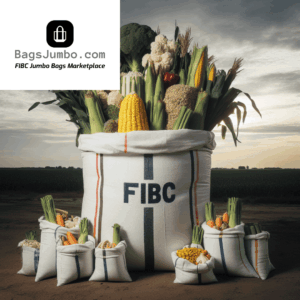
What are some common uses of FIBC bags in agriculture?
FIBC bags are used for a wide variety of purposes in agriculture, including: Storing and transporting grains: FIBC bags are commonly used to store and

Do you offer after-sales support for your FIBC bags?
Understanding After-Sales Support for FIBC Bags: How I Can Help with After-Sales Support:

Are you involved in any sustainability initiatives related to FIBC bags?
1. Information Hub for Sustainable Practices: 2. Supporting Innovation and Development: 3. Raising Awareness and Promoting Education: 4. Monitoring Progress and Identifying Challenges: While I
How can I recycle my FIBC bags?
FIBC bags can be recycled in a number of ways, including: Donating the bags to a charity: Some charities accept donations of FIBC bags for
What information do I need to provide to get a quote for FIBC bags?
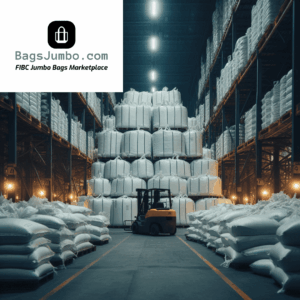
1. Product Details: 2. Bag Specifications: 3. Quantity and Order Information: 4. Additional Information: Bonus Tip: Be as specific as possible with your requirements. The
How can I ensure that my FIBC bags are used safely?
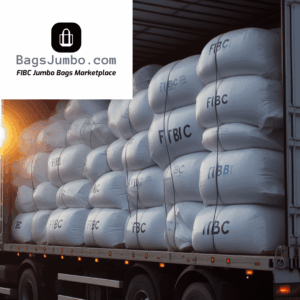
There are a number of things you can do to ensure that your FIBC bags are used safely, including: 1. Inspect the bags for damage
What types of bags does Bagsjumbo offer?
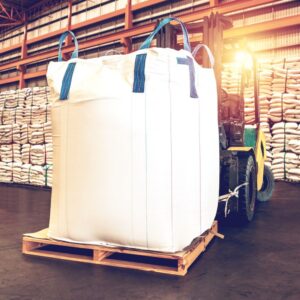
FIBC bags, also known as jumbo bags or bulk bags, come in a variety of shapes, sizes, and materials to suit different needs and applications. Here are some of the most common types: By Construction: By Loop Configuration: By Top Construction: By Material: Choosing the Right FIBC Bag: Selecting the appropriate FIBC bag depends on several factors:
Shipping terms for FIBC bags?
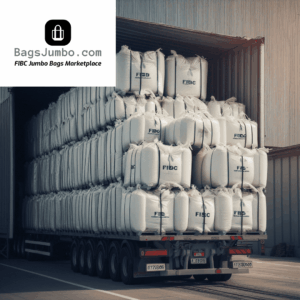
The specific shipping terms for FIBC bags (Flexible Intermediate Bulk Containers) will depend on several factors, including: 1. Origin and destination: The location of the sender and receiver will impact shipping costs, customs regulations, and available shipping methods. 2. Quantity and weight: Shipping large quantities or heavier bags might require different arrangements like containerized shipping or specific freight options. 3. Contents: Certain contents may require special handling or certification based on regulations, impacting shipping options and costs. 4. Desired speed and urgency: Faster delivery often comes at a higher cost, and options like air freight might be considered for urgent needs. Here are some general points to consider for FIBC bag shipping terms: Common shipping methods: Incoterms: These define responsibilities and costs between seller and buyer. Common terms for FIBC bags include: Additional considerations: Tips for getting the best shipping terms:
Are big bags coming back 2023?
Yes, big bags have definitely made a comeback in 2023 and the trend is expected to continue into 2024! Here’s a summary of the evidence: Fashion industry embrace: Functional appeal: Market acceptance: Industry experts’ opinions:
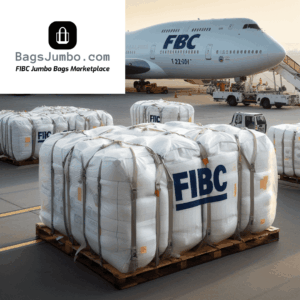
What is fibc bags?
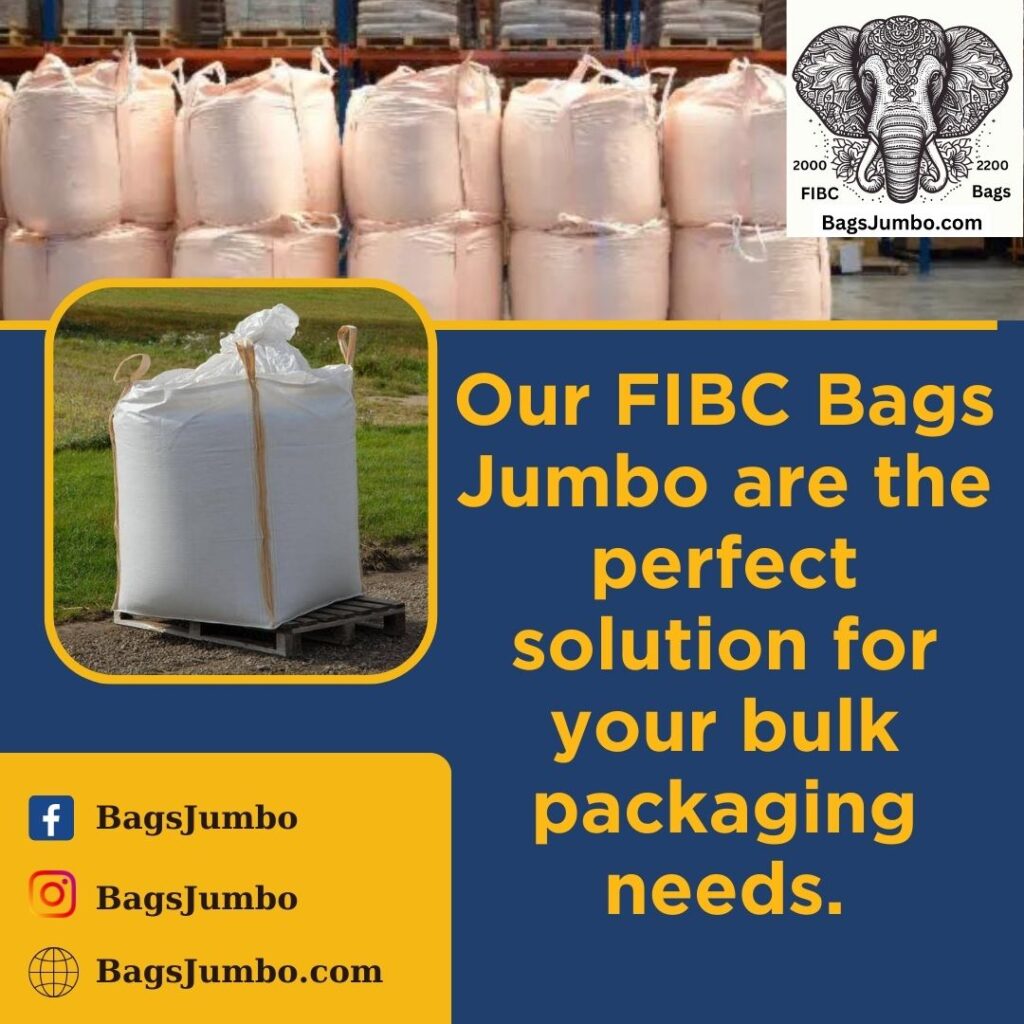
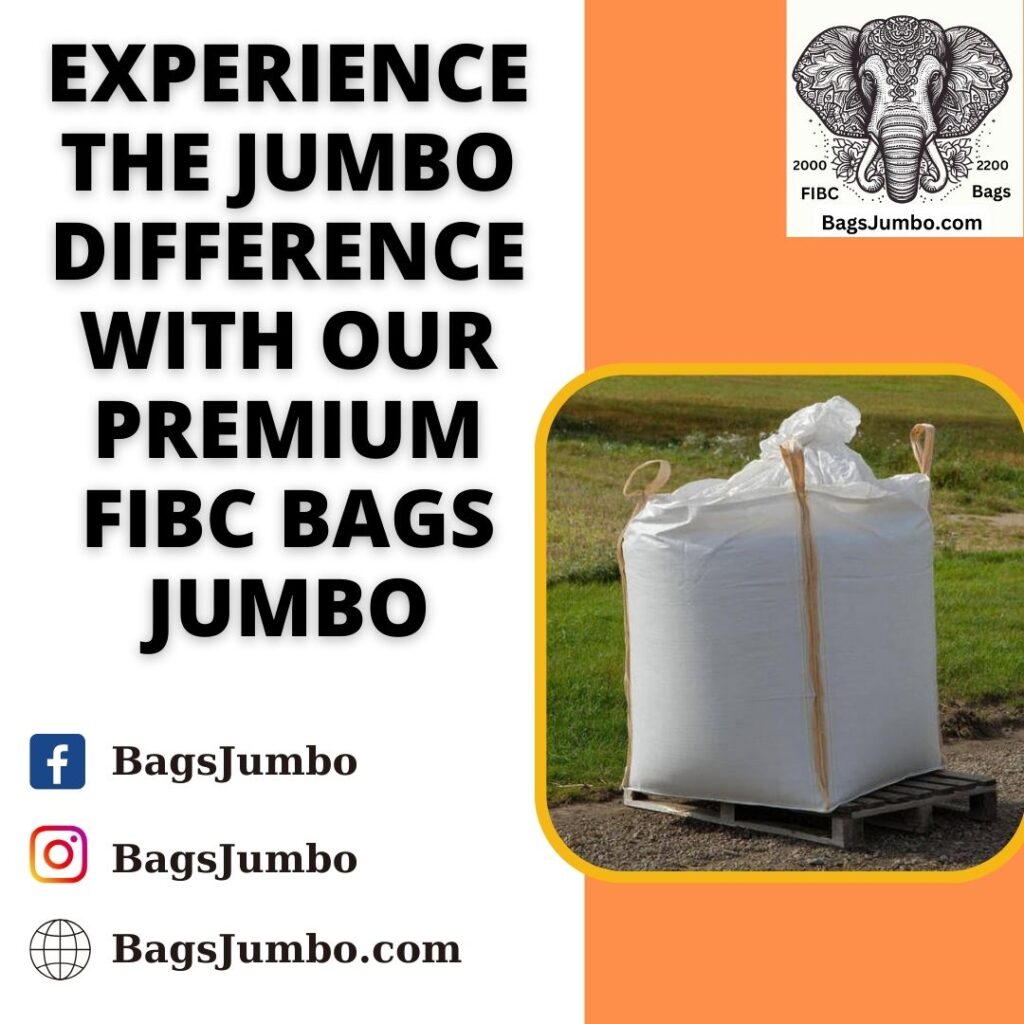
FIBC bags, also known as Flexible Intermediate Bulk Containers or jumbo bags, are large, flexible containers used for storing and transporting dry, flowable products. Imagine them as giant, industrial versions of reusable grocery bags, but much more durable and versatile. Here’s a breakdown of what they are and why they’re so widely used: What are they made of? FIBC bags are typically made from woven polypropylene (PP) fabric, a plastic known for its: Polypropylene fabric Other materials like polyethylene (PE) or natural fibers like jute can also be used for specific applications, but PP remains the most popular due to its overall balance of properties and affordability. What are their different types? There are various types of FIBCs available, each with specific features and capacities: Standard FIBC bag Mini FIBC bag Jumbo FIBC bag Who uses them? The applications for FIBC bags are incredibly diverse, spanning numerous industries: Why are
Who uses fibc bags?
FIBC bags (Flexible Intermediate Bulk Containers) are used across a wide range of industries due to their versatility and cost-effectiveness. Here are some of the most common users: Agriculture: Construction: Food and Beverage Industry: Chemical Industry: Pharmaceutical Industry: Other Industries: In addition to these specific industries, FIBC bags are also used in many other scenarios, including: Ultimately, the applications for FIBC bags are vast and diverse. Their flexibility, strength, and affordability make them a valuable tool for businesses and organizations across various sectors.
What are fibc bags?
FIBC bags, also known as Flexible Intermediate Bulk Containers or jumbo bags, are large, flexible containers used for storing and transporting dry, flowable products like sand, fertilizer, granules, and even food items. They are a widely used alternative to rigid containers like drums, barrels, and pallets, offering several advantages: Benefits of FIBC bags: Construction of FIBC bags: FIBCs are typically made from woven polypropylene (PP) fabric, offering strength, durability, and moisture resistance. Other materials like polyethylene (PE) or natural fibers like jute can also be used for specific applications. The fabric is stitched together to create the body of the bag, and additional features like straps, liners, and reinforced seams can be incorporated depending on the intended use. Types of FIBC bags: There are various types of FIBCs available, each with specific features and capacities: Choosing the right FIBC bag: The selection of the appropriate FIBC bag depends on several