
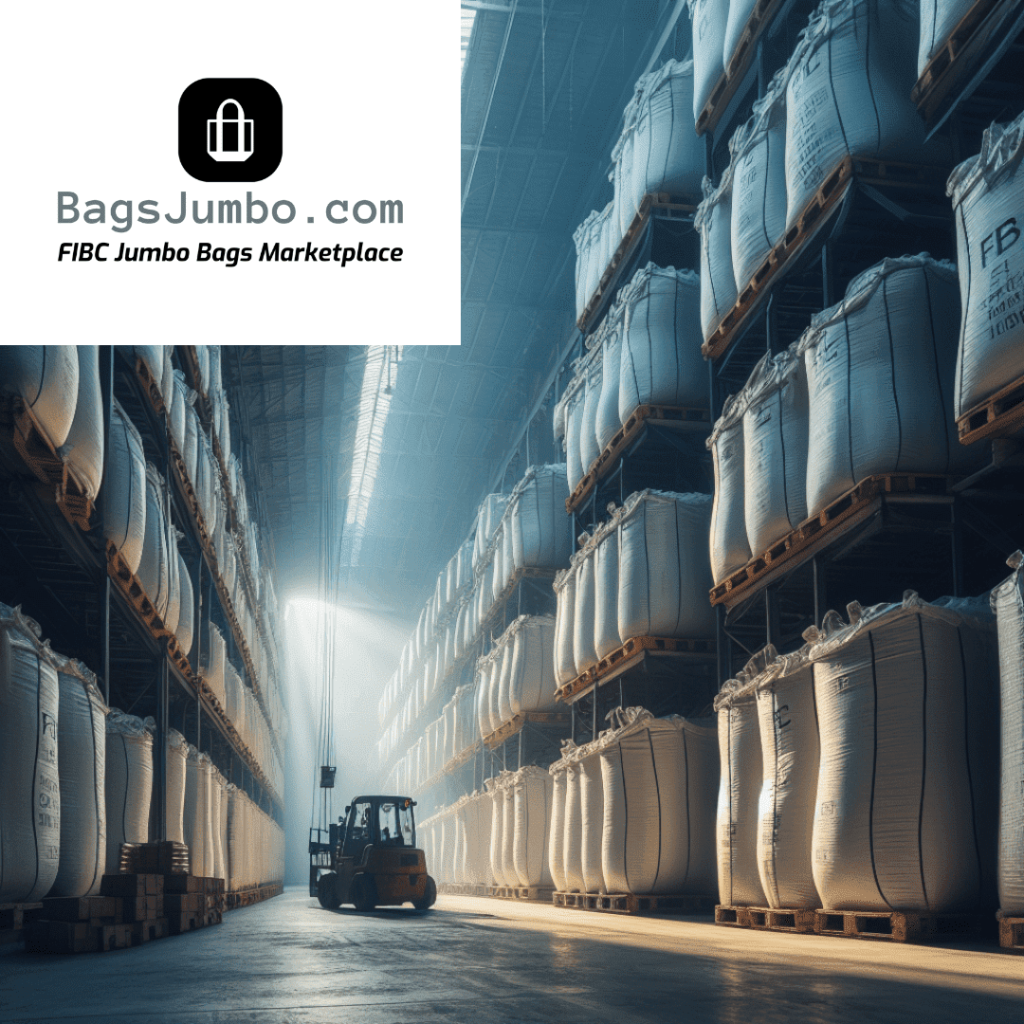
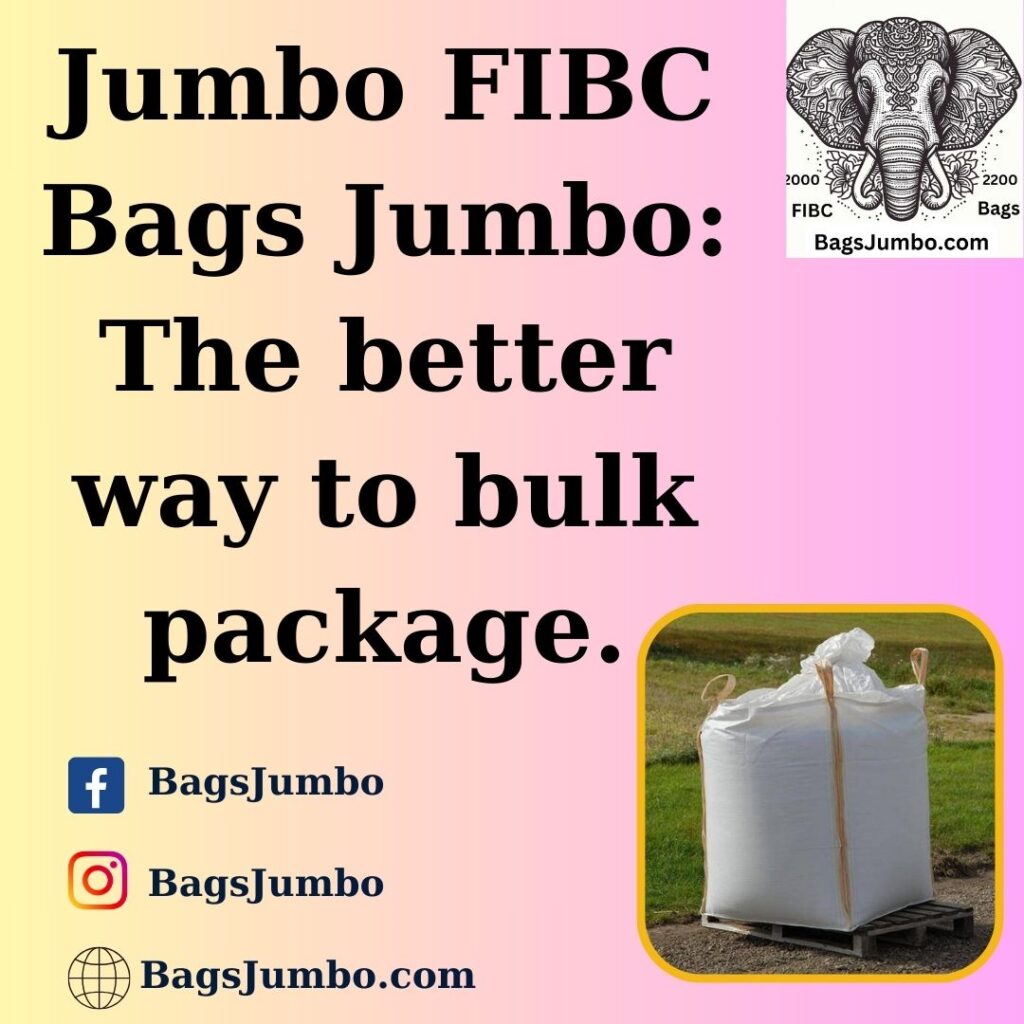



Choosing the Right FIBC Bag for Your Needs: A Comprehensive Guide to Types, Sizes, and Features
FIBC bags, the versatile champions of bulk material handling, might seem like simple containers. But choosing the right one for your needs requires navigating a sea of options. This comprehensive guide equips you with the knowledge to unlock the perfect FIBC for your specific application. Demystifying FIBC Types: Size Matters: FIBC capacity ranges from 500 kg to 2,500 kg and beyond. Choosing the right size depends on: Unveiling the Feature Arsenal: Beyond size and type, features tailor your FIBC to perfection: Making the Final Choice: Remember, choosing the right FIBC is an investment in efficiency, safety, and ultimately, your success. By understanding the available types, sizes, and features, making informed decisions based on your specific requirements, and leveraging the expertise of reliable platforms like BagsJumbo.com, you can unlock the full potential of these versatile bulk handling champions.

Terminology FIBC Bags
Introduction Flexible Intermediate Bulk Containers (FIBCs), also known as jumbo bags, bulk bags, super sacks, or tonne bags, are industrial containers made of flexible fabric designed for storing and transporting dry, flowable products. They are commonly used in various industries, including agriculture, construction, chemicals, and food. Common FIBC Terminology FIBC Types Industries that Use FIBCs Additional FIBC Terminology
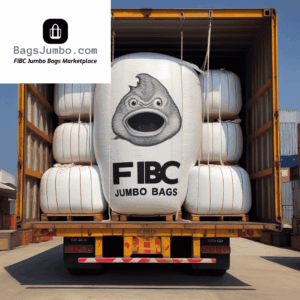
Glossary of FIBC Terms: Demystifying the Language of Bulk Packaging
Navigating the world of Flexible Intermediate Bulk Containers (FIBCs), also known as jumbo bags, can feel like deciphering an ancient code. Fear not, intrepid packagers, for this glossary will unveil the hidden meanings behind the jargon, transforming you into fluent FIBC aficionados! Basics: Features: Regulations and Quality: Beyond the Basics: Bonus Tip: When in doubt, reliable platforms like BagsJumbo.com can be your one-stop shop for understanding your FIBC needs and finding the perfect bag with all the right features and certifications. By equipping yourself with this glossary and partnering with knowledgeable suppliers like BagsJumbo.com, you can navigate the world of FIBCs with confidence and clarity. Remember, clear communication is crucial for optimal packing, so speak the language of FIBCs like a pro, and watch your bulk packaging endeavors soar to new heights!
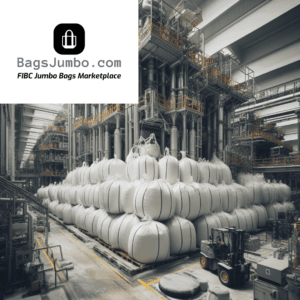
Beyond Price: Factors to Consider When Choosing an FIBC Bag Supplier
In the bustling world of bulk packaging, Flexible Intermediate Bulk Containers (FIBCs), affectionately known as jumbo bags, reign supreme. These dependable workhorses carry everything from fertilizers to food grains, offering a cost-effective and efficient solution for handling vast quantities of materials. But when it comes to selecting the right FIBC supplier, focusing solely on price can be a recipe for trouble. While a competitive quote is enticing, remember, the cheapest option isn’t always the best value. To ensure a smooth and successful partnership, look beyond the bottom line and delve deeper into the hidden gems that truly define a reliable FIBC supplier. In this article, we’ll explore three crucial factors to consider: quality, service, and sustainability. 1. Quality: Building a Foundation of Trust Imagine this: your shipment of precious coffee beans arrives, only to discover compromised bags and a disastrously spilled payload. The consequences? Financial losses, damaged reputation, and a
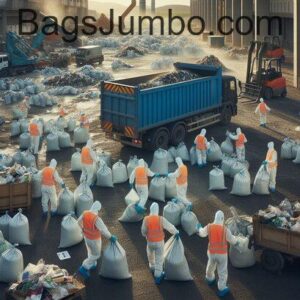
Sustainable FIBC Solutions: Recycled Materials, Biodegradable Options, and Environmental Impact
FIBC bags, the workhorses of bulk material handling, face increasing scrutiny in a world driven by environmental concerns. Their traditional reliance on virgin polypropylene plastics raises questions about their sustainability. However, the industry is evolving, embracing innovative solutions that minimize their environmental footprint. Let’s delve into the exciting world of sustainable FIBC options, exploring recycled materials, biodegradable alternatives, and the overall impact on our planet. Recycling Revolution: Biodegradability Blazes a Trail: The Impact Equation: Challenges and Opportunities: The Road Ahead: The journey towards sustainable FIBC solutions is paved with innovation, collaboration, and a shared commitment to environmental responsibility. By embracing recycled materials, exploring biodegradable options, and continuously seeking improvements, we can ensure that these versatile bulk handling champions become true allies in building a greener future. Platforms like BagsJumbo.com, with their dedication to sustainable practices and ongoing investment in eco-friendly FIBC options, are leading the way in this transformation.
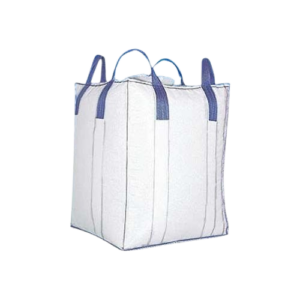
FIBC Bags Revolutionize Grain Storage and Distribution
FIBC bags, also known as bulk bags or jumbo bags, have revolutionized grain storage and distribution by providing a cost-effective, durable, and scalable solution. These bags offer several advantages over traditional packaging methods, making them an essential tool for farmers, grain handlers, and food processors worldwide. Reduced Packaging Costs One of the primary benefits of FIBC bags is their ability to reduce packaging costs significantly. Compared to traditional packaging materials like wooden crates or metal drums, FIBC bags are far less expensive, offering a cost-effective solution for packaging and transporting large quantities of grain. Improved Storage Efficiency FIBC bags offer superior storage efficiency compared to traditional packaging methods. Their flexible design allows them to be stacked more efficiently, maximizing storage space and reducing warehouse costs. This is particularly advantageous for grain elevators and storage facilities, enabling them to store larger volumes of grain in a smaller footprint. Enhanced Product Protection
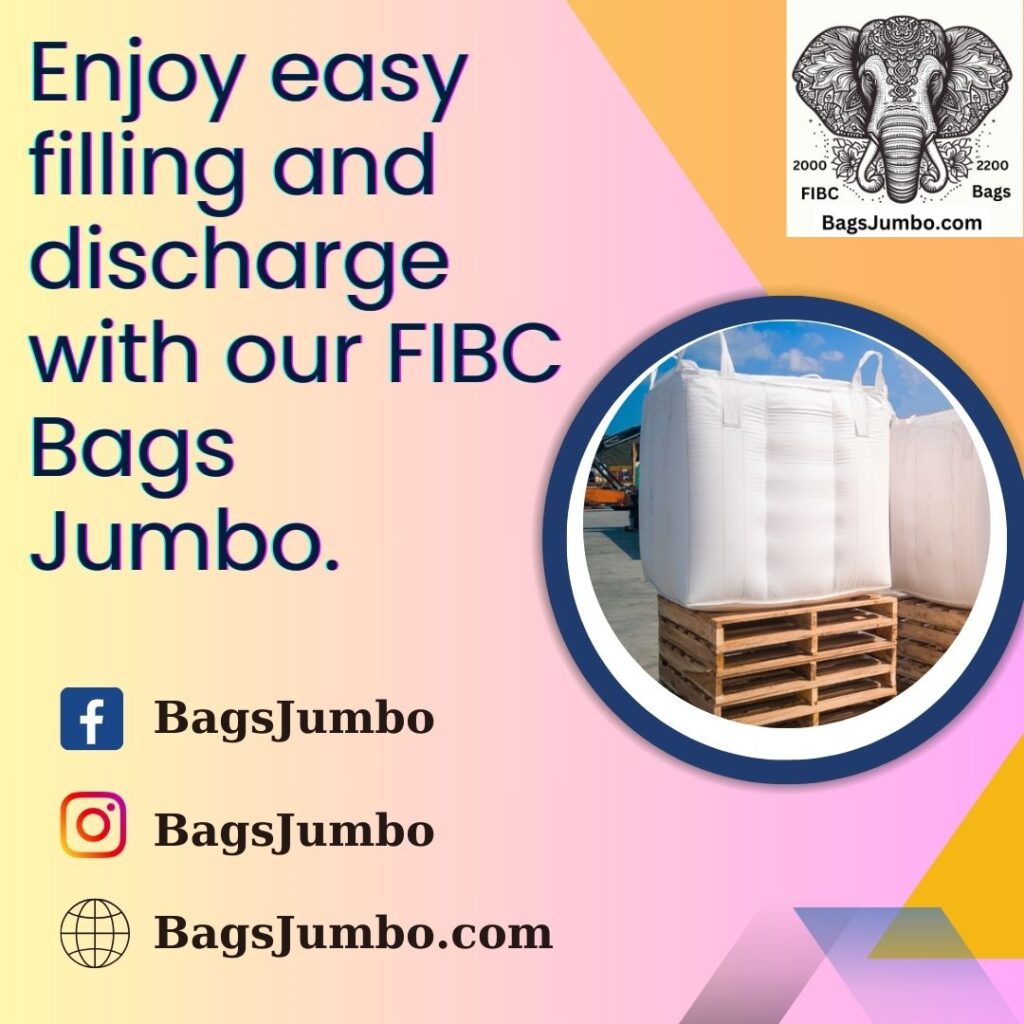
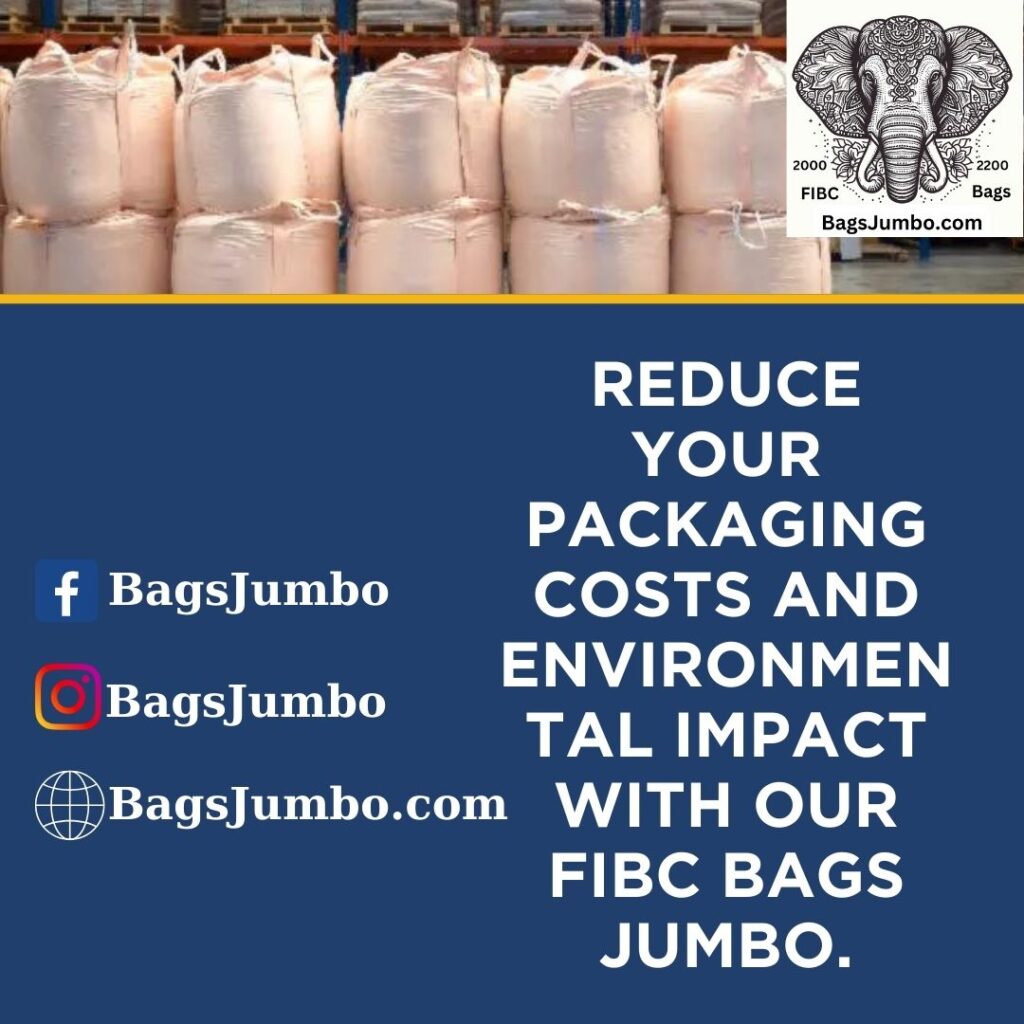

Eco-Conscious Colossus: Super-Sized Bags Pack Up Responsibly with Recycled Materials
FlexSack believes the recycled-content FIBC, which resulted from an internal sustainability initiative launched last year, is a first in North America.Imported from India, the PCR bags are a drop-in replacement at a cost parity with standard PP bags. The company’s 2023 introduction of the FlexSack-eco FIBC with 30% PCR brings a sustainable new option to the FIBC market. “It represents the latest development of woven bags that evolved from a combination polyethylene bag sewn using nylon thread to 100% recyclable polypropylene bags,” explains Patrick Williams, the company’s national sales representative (shown at the event). “The FlexSack-eco bag is 100% recyclable.” “The eco-bags perform similarly to their 100% virgin PP counterparts,” says Allen Aubin, VP, director of sales & business development.As with other FIBCS, the eco version holds up to 4,000 pounds of dry flowing powder or granular products ranging from plastic pellets and flakes to foods, pigments, pharmaceuticals, aggregates, chemicals,

FIBC Dischargers: Streamlining Bulk Material Handling
Flexible Intermediate Bulk Containers (FIBCs), commonly known as bulk bags or super sacks, are widely used in many industries for the storage and transportation of granular or powdered materials. FIBCs are cost-effective, space-efficient, and easy to handle, making them an ideal choice for bulk material handling. FIBCs come in a range of sizes, capacities, and features that affect the ability of powdered material to flow continuously from the bag. The type of bag and its features directly affect the design of the bulk bag unloader and its ability to discharge the material on demand.FIBC dischargers are specialized equipment designed to facilitate the efficient and controlled discharge of bulk materials from FIBCs. They eliminate the need for manual handling, reduce labor costs, reduce shipping cost, (over paper sacks and in many cases can be reused) and improve overall operational efficiency. FIBC dischargers typically consist of a support structure, bag lifting mechanism,
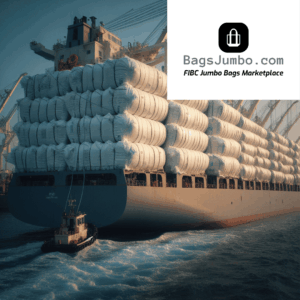
Untapped Growth Engine: SAH Polymers Identifies Promising Potential in Latin America’s Flexible Packaging Landscape.
A trailblazer in flexible plastic packaging products, the 30-year-old publicly listed SAH Polymers is gearing up for an ambitious expansion into the Latin American market, with strategic tie-ups, joint ventures, and acquisitions as its guiding beacons. In sectors ranging from animal feed and fertilizers to agriculture, construction, mining, pharmaceuticals, textile, paper, cement and dry chemicals, SAH Polymers is set to meet diverse packaging needs with a comprehensive range of products. This arsenal includes PP woven sacks a staple in packaging, versatile PP woven fabric , sturdy big bags, efficient PP box bags, and capacious jumbo bags, among others. The company’s foresight extends to high-value BOPP bags, essential for advanced packaging applications, and practical solutions like PP ground cover and PP silt fence, which underscore SAH Polymers’ commitment to sustainability. SAH Polymers is also an existing member of the prestigious North American Association for FIBC bags called FIBCA and is already well
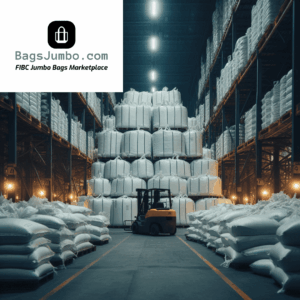
PE Jumbo Bags Market Size, Transformative Growth Strategies 2024-2031
The PE Jumbo Bags Market has witnessed notable growth owing to several key factors. Factors such as increasing consumer demand, technological advancements, and evolving trends have propelled this market’s expansion. Market analysis indicates a steady rise in demand for PE Jumbo Bags Market products/services across diverse demographics. Additionally, economic factors like disposable income and changing lifestyle preferences have significantly influenced the market’s trajectory. This growth trend is anticipated to continue, driven by innovation, changing consumer behavior, and expanding market penetration. The competitive landscape within the PE Jumbo Bags Market is characterized by a diverse array of players vying for market share. Established industry giants coexist with innovative startups, fostering a dynamic competitive environment. Companies continually strive to differentiate themselves through product innovation, pricing strategies, and marketing initiatives. Furthermore, mergers, acquisitions, and strategic partnerships remain prevalent, reshaping the market dynamics and intensifying competition. As a result, customers benefit from a wide
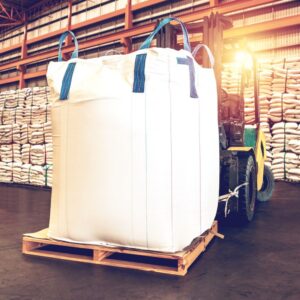
Invest in the Bulk Bag Market’s Projected 60% Expansion.
The bulk bags market is experiencing steady growth due to its wide range of applications across industries. Overall, the bulk bags market provides a reliable and efficient packaging solution that contributes to cost savings, sustainability, product safety, and customization, making it an essential component of various industries. The bulk bag market is anticipated to reach US$ 8.0 billion by 2028, at a CAGR of 6.0% from 2015 to 2021, and is currently valued at US$ 5.3 billion in 2022. A New Syndicate Bulk Bags Market Study is added to the FMI database compiled covering key business segments and wider geographical scope to get deep-dive analyzed market data. Bulk Bags Market presents a detailed competitive analysis including the market Share, Size, and Future scope. This study categorizes the global Bulk Bags Market breakdown data by manufacturers, region, type, and applications, and also analyzes the market drivers, opportunities and challenges. Bulk Bags Market Report will
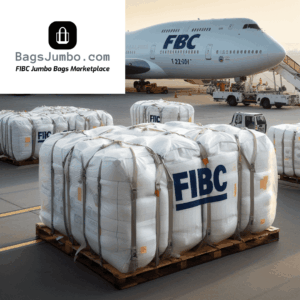
Intermediate Bulk Container (IBC) Market to Cross US$ 46.2 Billion by 2033 Amid Rising Import and Export of Essential Commodities Worldwide Says Future Market Insights
Increasing import and export of essential commodities such as pharmaceuticals, food & beverages, fertilizers, and petroleum across the world and growing demand for safe and convenient bulk packaging solutions are the key factors driving the global intermediate bulk container (IBC) market forward. Intermediate bulk containers have emerged as ideal packaging solutions for storing and transporting bulk solid, semi-solid, and liquid materials due to their safer, convenient, and cost-effective nature. Rising usage of these bulk packaging solutions across industries such as food & beverage, pharmaceutical, and chemical is expected to boost intermediate bulk container sales during the forecast period. Numerous products are not exported or traded to different nations due to the unavailability of convenient and effective packaging types to transport them. Intermediate bulk containers (RBCs and FIBCs) are highly cost-effective packaging solutions, which ensure the product is shipped in its original form to its destination.Prospecting untapped regions for exports of
What types of FIBC bags do you sell?
1. FIBC Types by Static Control: 2. FIBC Styles by Construction: 3. FIBC Features: Remember, choosing the right FIBC bag depends on various factors like
Do you work directly with manufacturers, or through distributors?
Ultimately, the decision of whether to work directly with a manufacturer or through a distributor will depend on your specific needs and preferences. Here are
What information can you provide about the environmental impact of your FIBC bags?
1. Material and Production: 2. Use and Reuse: 3. End-of-Life Options: 4. Regulations and Certifications: 5. Minimizing the Footprint:
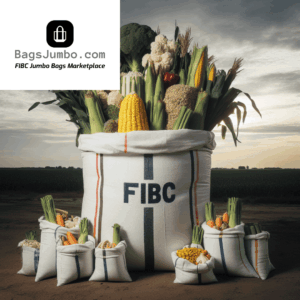
Packaging and shipping of food
Ensuring Food Safety and Integrity with FIBC Bags from Bags Jumbo In the food industry, maintaining product safety and integrity throughout the supply chain is
How can I ensure that my FIBC bags are used safely?
There are a number of things you can do to ensure that your FIBC bags are used safely, including: 1. Inspect the bags for damage

What are your business hours?
As a large language model, I don’t have traditional business hours like human employees. I function continuously 24/7, meaning you can interact with me and
What types of bags does Bagsjumbo offer?
FIBC bags, also known as jumbo bags or bulk bags, come in a variety of shapes, sizes, and materials to suit different needs and applications. Here are some of the most common types: By Construction: By Loop Configuration: By Top Construction: By Material: Choosing the Right FIBC Bag: Selecting the appropriate FIBC bag depends on several factors:
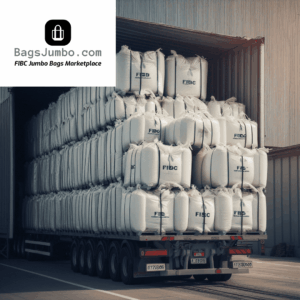
Shipping terms for FIBC bags?
The specific shipping terms for FIBC bags (Flexible Intermediate Bulk Containers) will depend on several factors, including: 1. Origin and destination: The location of the sender and receiver will impact shipping costs, customs regulations, and available shipping methods. 2. Quantity and weight: Shipping large quantities or heavier bags might require different arrangements like containerized shipping or specific freight options. 3. Contents: Certain contents may require special handling or certification based on regulations, impacting shipping options and costs. 4. Desired speed and urgency: Faster delivery often comes at a higher cost, and options like air freight might be considered for urgent needs. Here are some general points to consider for FIBC bag shipping terms: Common shipping methods: Incoterms: These define responsibilities and costs between seller and buyer. Common terms for FIBC bags include: Additional considerations: Tips for getting the best shipping terms:
Are big bags coming back 2023?
Yes, big bags have definitely made a comeback in 2023 and the trend is expected to continue into 2024! Here’s a summary of the evidence: Fashion industry embrace: Functional appeal: Market acceptance: Industry experts’ opinions:
What is fibc bags?
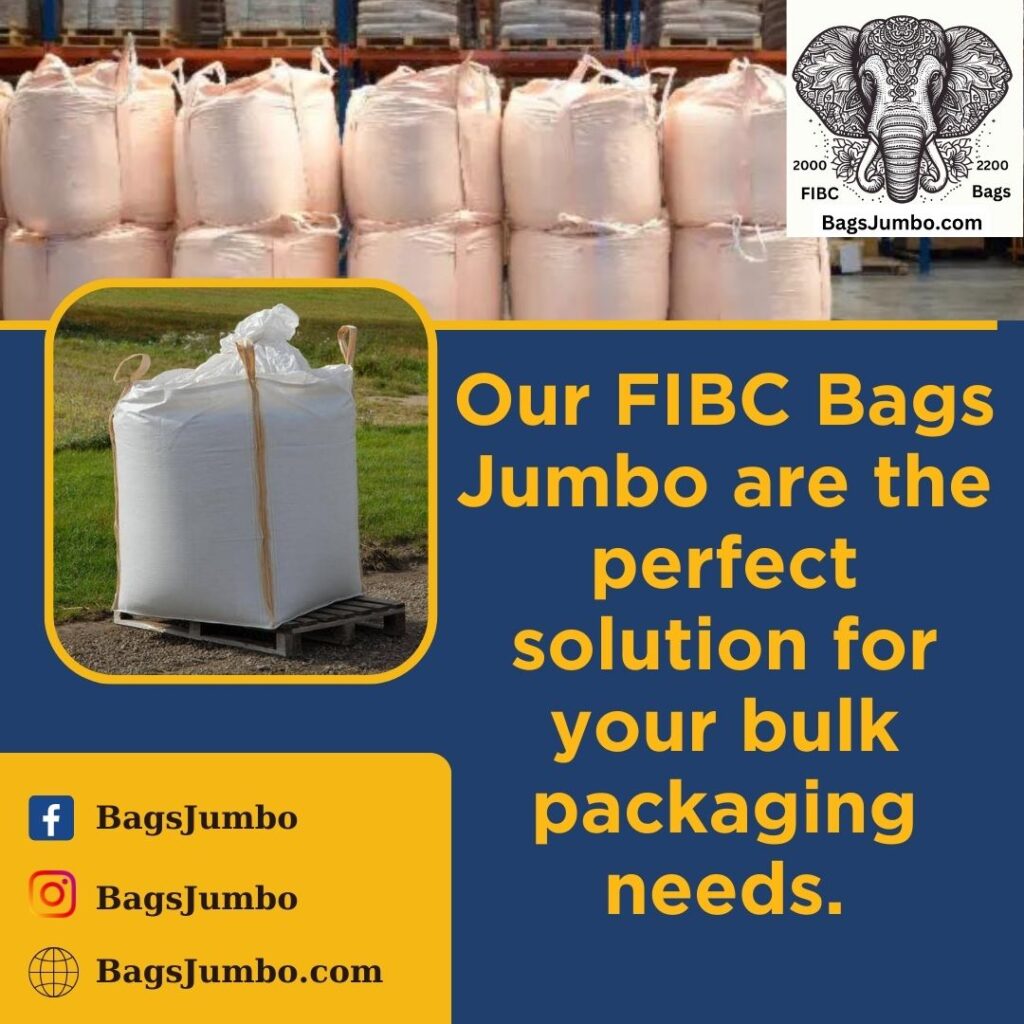
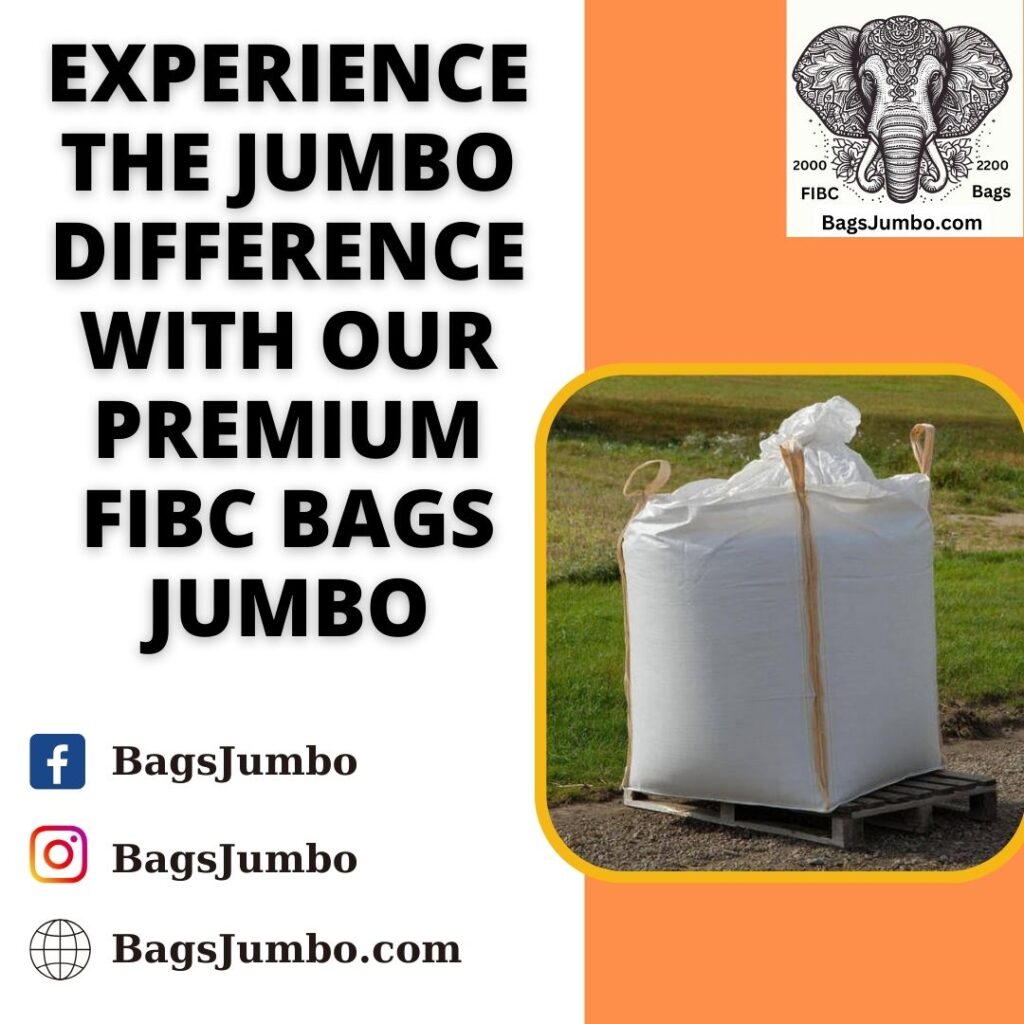
FIBC bags, also known as Flexible Intermediate Bulk Containers or jumbo bags, are large, flexible containers used for storing and transporting dry, flowable products. Imagine them as giant, industrial versions of reusable grocery bags, but much more durable and versatile. Here’s a breakdown of what they are and why they’re so widely used: What are they made of? FIBC bags are typically made from woven polypropylene (PP) fabric, a plastic known for its: Polypropylene fabric Other materials like polyethylene (PE) or natural fibers like jute can also be used for specific applications, but PP remains the most popular due to its overall balance of properties and affordability. What are their different types? There are various types of FIBCs available, each with specific features and capacities: Standard FIBC bag Mini FIBC bag Jumbo FIBC bag Who uses them? The applications for FIBC bags are incredibly diverse, spanning numerous industries: Why are
Who uses fibc bags?
FIBC bags (Flexible Intermediate Bulk Containers) are used across a wide range of industries due to their versatility and cost-effectiveness. Here are some of the most common users: Agriculture: Construction: Food and Beverage Industry: Chemical Industry: Pharmaceutical Industry: Other Industries: In addition to these specific industries, FIBC bags are also used in many other scenarios, including: Ultimately, the applications for FIBC bags are vast and diverse. Their flexibility, strength, and affordability make them a valuable tool for businesses and organizations across various sectors.
What are fibc bags?
FIBC bags, also known as Flexible Intermediate Bulk Containers or jumbo bags, are large, flexible containers used for storing and transporting dry, flowable products like sand, fertilizer, granules, and even food items. They are a widely used alternative to rigid containers like drums, barrels, and pallets, offering several advantages: Benefits of FIBC bags: Construction of FIBC bags: FIBCs are typically made from woven polypropylene (PP) fabric, offering strength, durability, and moisture resistance. Other materials like polyethylene (PE) or natural fibers like jute can also be used for specific applications. The fabric is stitched together to create the body of the bag, and additional features like straps, liners, and reinforced seams can be incorporated depending on the intended use. Types of FIBC bags: There are various types of FIBCs available, each with specific features and capacities: Choosing the right FIBC bag: The selection of the appropriate FIBC bag depends on several