
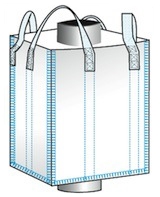
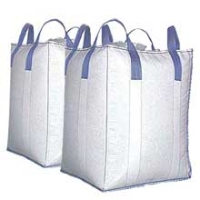
Global FIBC Market to Reach USD 5.03 Billion by 2023
The global FIBC market is poised to reach a substantial value of USD 5.03 billion by 2023, driven by a steady CAGR of 4.5% throughout the forecast period. This remarkable growth is primarily attributed to the surging demand for FIBC bags across diverse industries, including construction, agriculture, chemicals, and pharmaceuticals. Industry Drivers Fueling Market Expansion The construction industry is a significant contributor to the expanding FIBC market. The growing demand for durable and cost-effective packaging solutions in the construction sector is propelling the adoption of FIBC bags. These bags offer superior protection for construction materials like cement, sand, and gravel during transportation and storage. In the agricultural sector, FIBC bags have emerged as a preferred packaging solution for storing and transporting grains, fertilizers, and other agricultural products. Their versatility, durability, and cost-effectiveness make them a compelling choice for farmers and agricultural businesses. The chemical industry also relies heavily on FIBC
Streamlining Your Supply Chain: How Our Marketplace Can Help You Find Reliable FIBC Suppliers Globally
In today’s fast-paced and interconnected world, optimizing your supply chain is more crucial than ever. For businesses dealing with bulk materials, finding reliable Flexible Intermediate Bulk Containers (FIBCs), also known as jumbo bags, can be a critical yet challenging task. Sourcing the right FIBC at the right price, from trustworthy suppliers, can make or break your operational efficiency and bottom line. The Bottlenecks of Traditional Sourcing: Traditionally, sourcing FIBCs often involves navigating a maze of challenges: Introducing BagsJumbo.com: Your Global FIBC Sourcing Solution BagsJumbo.com steps in as your one-stop solution for streamlined FIBC sourcing. Our online marketplace connects you with a vast network of pre-vetted FIBC manufacturers from across the globe. This opens up a world of possibilities: Beyond Sourcing: Value-Added Services for a Smoother Journey BagsJumbo.com goes beyond simply connecting you with suppliers. We offer a range of value-added services to make your FIBC procurement process even smoother: Building
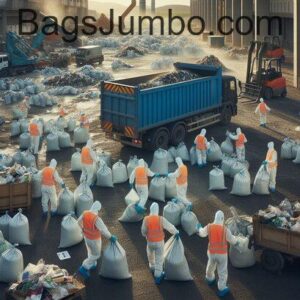
A Day in the Life of an FIBC Bag: From Production to Recycling
Flexible Intermediate Bulk Containers (FIBCs), affectionately known as jumbo bags, may seem like stoic workhorses – silent giants traversing the world with their hefty cargo. But their existence is more than just a series of journeys. Let’s peek into the life of an FIBC, from its genesis in the bustling factory to its final chapter, whether embraced by the arms of recycling or reborn into something entirely new. Birth of a Titan: Our FIBC’s story begins in a modern production facility, like those you can discover through platforms like BagsJumbo.com. Molten polypropylene transforms into fine threads, woven into robust fabric panels. Lifting loops are meticulously stitched, discharge spouts integrated, and baffles placed to maintain shape. After rigorous testing for strength and compliance with international standards, our FIBC emerges, ready to embark on its first mission. Embarking on the Grand Adventure: Imagine our FIBC arriving at a bustling port, eager to
The Future of FIBC Bags: Sustainable Innovations and Emerging Technologies
Traditionally the workhorses of bulk material handling, Flexible Intermediate Bulk Containers (FIBC) bags are undergoing a revolution. Driven by environmental concerns, technological advancements, and evolving industry needs, the future of FIBC bags is paved with sustainability and innovation. Embracing Sustainability: The linear model of single-use FIBC bags is giving way to a circular economy. Biodegradable options made from plant-based materials are emerging, promising decomposition without harmful microplastics. Recycled polypropylene is reducing virgin plastic usage, while repair and reuse programs extend the life cycle of existing bags. Companies like BagsJumbo.com are leading the charge with initiatives like their “Buy Back and Reuse” program, offering incentives for returning used bags for responsible recycling or repurposing. Technological Leap: Smart FIBC bags embedded with sensors are on the horizon. These sensors can monitor temperature, pressure, and even GPS location, providing real-time data on product quality and shipment status. This opens doors for predictive maintenance,

Sustainable Packaging Practices: How to Reduce Your Environmental Footprint with FIBC Bags
In today’s environmentally conscious world, businesses are increasingly seeking ways to reduce their impact. While Flexible Intermediate Bulk Containers (FIBCs), also known as jumbo bags, offer an efficient and cost-effective solution for bulk packaging, their traditional approach hasn’t always been friendly to the planet. However, fear not, for a revolution in sustainable FIBC practices is underway, paving the way for eco-conscious bulk handling! Embracing the Green Revolution: Here are some ways to shrink your footprint and champion sustainability with FIBCs: Beyond Materials: Eco-Conscious Practices: It’s not just about the bag itself; consider these practices for total sustainability: The Benefits of Going Green: By embracing sustainable FIBC practices, you’re not just doing your part for the planet; you’re also reaping tangible benefits: Making the Switch to Sustainable FIBCs: Transitioning to eco-conscious packaging might seem daunting, but remember, resources are available to help you navigate the journey. Platforms like BagsJumbo.com offer a
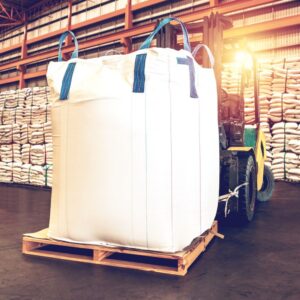
Troubleshooting Common FIBC Bag Issues: Tips for Repair, Damage Prevention, and Safe Handling
Flexible Intermediate Bulk Containers (FIBCs), also known as jumbo bags, are the workhorses of bulk packaging. They efficiently and cost-effectively handle everything from agricultural produce to construction materials. But even these sturdy giants can encounter problems if not handled properly. This article delves into the most common FIBC bag issues, offering practical tips for repair, damage prevention, and safe handling. 1. Tears and Rips: Tears and rips are perhaps the most common FIBC problem. They can occur due to: Repair: Minor tears can be repaired using heavy-duty stitching or patches made from the same material as the bag. However, extensive tears or those near the lifting loops compromise the bag’s integrity and should be discarded for safety reasons. Prevention: 2. Spillage and Leakage: Spillage and leakage can occur due to: Repair: Small leaks from faulty closures can often be fixed by retightening or replacing the closure mechanism. However, extensive leaks

Jumbo Bags: Inside the World of FIBCs – Key Players and Production Capacity
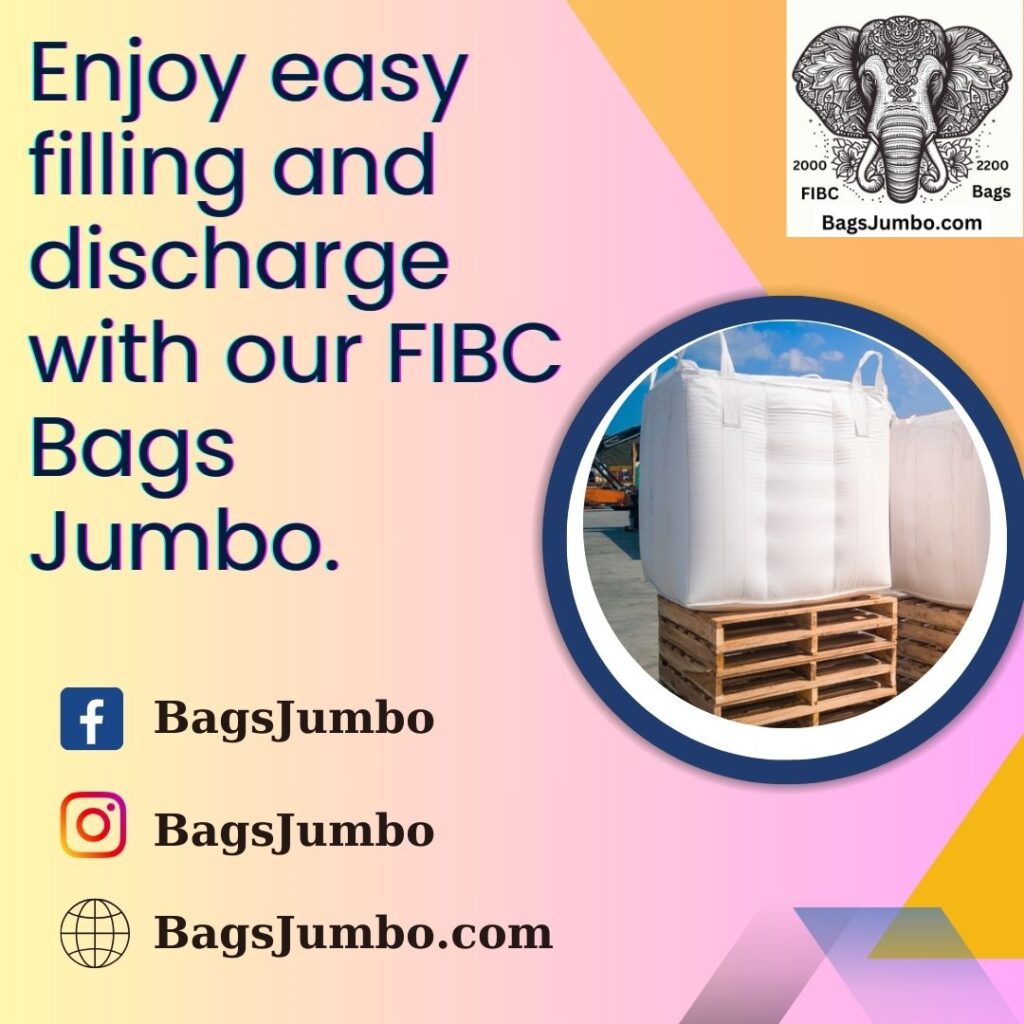
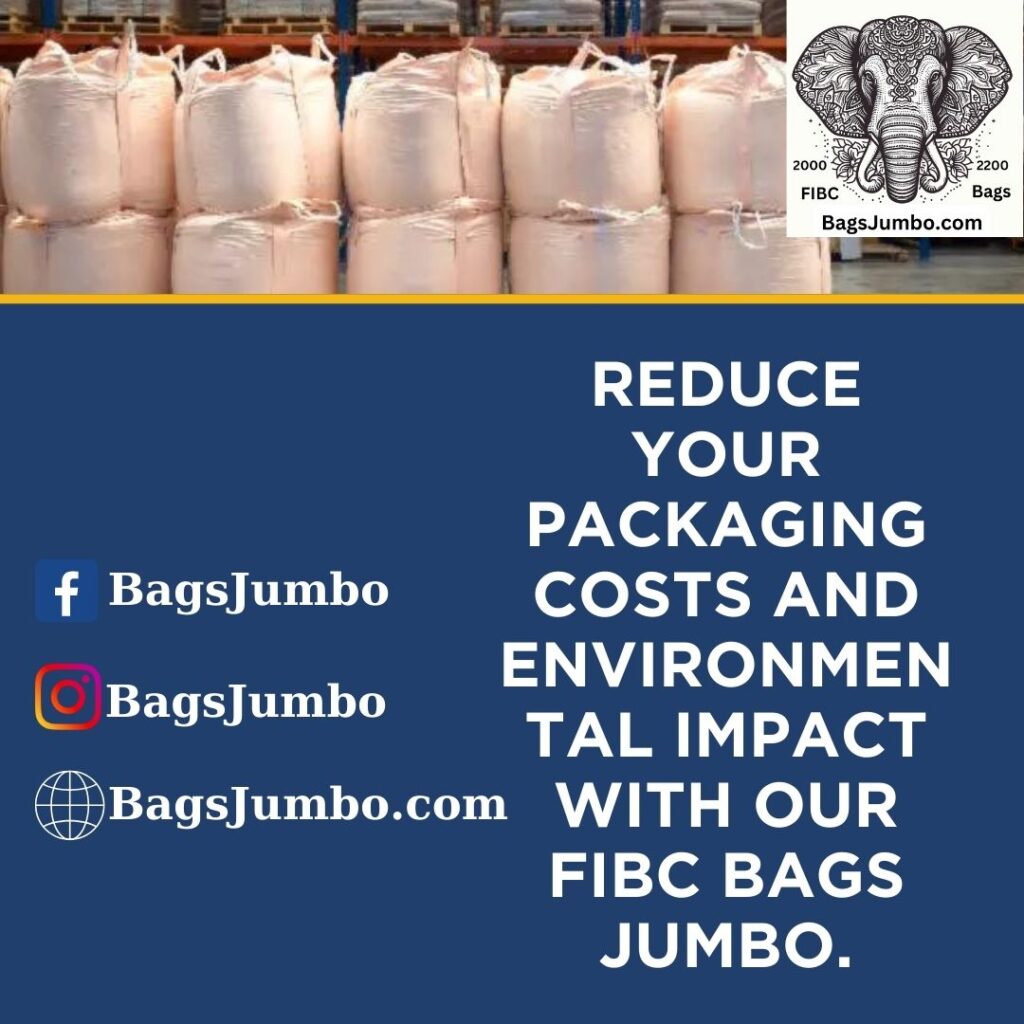
FIBC bags, also known as Flexible Intermediate Bulk Containers, are large bags made of woven polypropylene (PP) fabric that are used to store and transport dry bulk materials. FIBC Bulk Bags are extremely versatile and can be used in a wide range of industries and applications. FIBC bags are also known as jumbo bags or bulk bags. These are quite economical and ideal packing mediums for the storage & transportation of powdered, granulated, or bulk products. Another interesting use of FIBC bags is in the agriculture industry. These bags are commonly used to transport and store grains, such as wheat, corn, and rice. They are also used to store and transport fertilizer, seed, and other agricultural chemicals. This allows farmers to efficiently transport and store large quantities of materials, which is essential for modern agriculture. https://ipocentral.in/fibc-bags-meaning-major-players-jumbo-bags/
Eco-Conscious Colossus: Super-Sized Bags Pack Up Responsibly with Recycled Materials
FlexSack believes the recycled-content FIBC, which resulted from an internal sustainability initiative launched last year, is a first in North America.Imported from India, the PCR bags are a drop-in replacement at a cost parity with standard PP bags. The company’s 2023 introduction of the FlexSack-eco FIBC with 30% PCR brings a sustainable new option to the FIBC market. “It represents the latest development of woven bags that evolved from a combination polyethylene bag sewn using nylon thread to 100% recyclable polypropylene bags,” explains Patrick Williams, the company’s national sales representative (shown at the event). “The FlexSack-eco bag is 100% recyclable.” “The eco-bags perform similarly to their 100% virgin PP counterparts,” says Allen Aubin, VP, director of sales & business development.As with other FIBCS, the eco version holds up to 4,000 pounds of dry flowing powder or granular products ranging from plastic pellets and flakes to foods, pigments, pharmaceuticals, aggregates, chemicals,
Circle of sustainability: From bottle to bag, PET granulate finds a green route with recycled FIBCs
Big Bags are used to transport and store recycled PET granulate until the converting plant can process the material into preforms for blowing bottles. Empty bags are sent to Velebit’s facility to be recycled into post-consumer recycled polypropylene granulate. This is then converted back into Big Bags by LC Packaging’s production partner using Starlinger’s rPP extrusion technology. Although the FIBCs are no longer suitable for food-contact applications in their new form, they are said to contain 30% recycled content. “With our recycling and extrusion technology, Starlinger acts as the connecting link in this project, providing the high-quality recycled polypropylene and heavy-duty tapes needed for Big Bag production,” adds project manager rPP Andreas Anderl.The companies emphasize the importance of using post-consumer recyclate rather than post-industrial recyclate in the project, with its previous use, sorting, collecting, cleaning, and recycling into new recycled polypropylene granules claiming to result in a positive environmental impact.
Turkish innovation meets eco-conscious packaging: Starlinger technology powers the rise of recycled big bags
Big bags, also called FIBCs, are omnipresent in logistics as a lightweight and economical type of packaging for free-flowing bulk goods. Made predominantly from polypropylene (PP), they show a CO2 balance per 1,000 litres of transported goods that is far below that of rigid containers such as drums or octabins. Turkish big bag producer Prof Sentetik is making them even more sustainable by adding post-industrial and post-consumer PP waste in the production of various types of big bags. The company has recently installed Starlinger equipment for woven PP bag and big bag production, including a Starlinger PP tape production line equipped with the new eqoCLEAN filter system for processing recycled granulate. With this new tape extrusion line, Prof Sentetik produces PP tapes for FIBC fabric with recycled polypropylene (rPP) that meet all the specifications required for heavy-duty packaging applications. “Plastic waste is a valuable resource, and instead of depositing it
Simplify jumbo bag packaging: Integrated filler and wooden pallet dispenser.
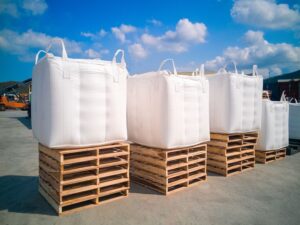
The bulk bag filler with wooden pallet dispenser from Best Process Solutions automatically places an empty pallet under a bulk bag before filling. Between 14-16 pallets can be loaded for staging into the pallet dispenser. Controls automatically remove the bottom pallet from the stack and place it below the bulk bag before filling occurs.Once the bulk bag is filled, a power roller discharges the filled bulk bag and pallet onto an accumulation conveyor (not shown) for transport to warehouse. The wooden pallet dispenser reduces the need for an operator to place an empty pallet under each bag, thus reducing the operators needed to maintain a high bag filling rate. The sensor also offers a simple Bluetooth setup using a BinDisc or the BinMaster Sensor App, optionally connected to a phone or PC, thereby facilitating easy installation. The NCR-86 is a cost-effective solution utilizing wireless and solar gateways, long-range transceivers and
New Water Capital Fund II continues its FIBC buying spree, adding Bulk Lift and Bagwell to its growing portfolio
Bulk Lift is a designer, producer and distributor of flexible intermediate bulk containers (FIBCs) and complementary packaging solutions, headquartered in St. Charles, Illinois, with a state-of-the-art manufacturing facility in Nuevo Laredo, Mexico. Since 1978, Bulk Lift has established a reputation for top quality and flexibility, using deep technical expertise to develop custom products designed to help reduce our customers’ total packaging costs. For more information. Founded in 1978 as a pioneering manufacturer and distributor of high-end and premium FIBCs, Bulk Lift has deepened its capability and expertise in its core of FIBC solutions and grown its offering to include a robust suite of complementary packaging solutions, including pallets, stretch films and liners. The company has also expanded its manufacturing operations to a state-of-the art facility in Nuevo Laredo, Mexico, and developed a mature international supply chain complete with local quality control presence to assure product quality. The company is headquartered in St. Charles, Illinois,
What are the different types of FIBC bags available for agricultural use?
Standard FIBC bags: These bags are made from a strong, woven polypropylene material and are available in a variety of sizes to accommodate different storage
Do you offer filling or handling equipment for FIBC bags?
1. Equipment Options: Based on your needs, I can recommend various FIBC bag filling and handling equipment, including: 2. Supplier and Manufacturer Recommendations: Once you
What are your payment methods?
Some insights into the common payment methods used by FIBC bag manufacturers and suppliers: Traditional Methods: Modern Methods: Factors to Consider when Choosing a Payment
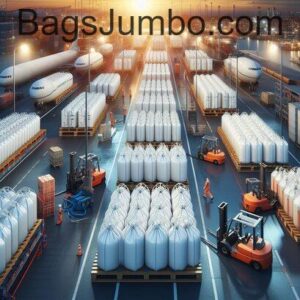
Are your FIBC bags certified to meet any specific standards
Here are some of the most common FIBC bag certifications: UN Certified Bulk Bags: ISO 9001: Food Contact: HACCP: BRCiGS: Other Certifications: Benefits of Certified
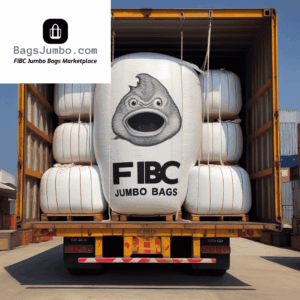
Where are your FIBC bags manufactured?
Global Production: FIBC bag production is a global industry, with major manufacturing hubs spread across different continents. Some of the key production regions include: Factors

What factors influence the cost of FIBC bags?
The cost of FIBC bags can vary significantly depending on several factors, making it crucial to understand what goes into their price tag. Here are
What types of bags does Bagsjumbo offer?
FIBC bags, also known as jumbo bags or bulk bags, come in a variety of shapes, sizes, and materials to suit different needs and applications. Here are some of the most common types: By Construction: By Loop Configuration: By Top Construction: By Material: Choosing the Right FIBC Bag: Selecting the appropriate FIBC bag depends on several factors:
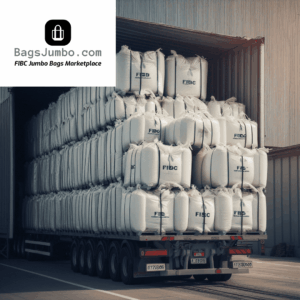
Shipping terms for FIBC bags?
The specific shipping terms for FIBC bags (Flexible Intermediate Bulk Containers) will depend on several factors, including: 1. Origin and destination: The location of the sender and receiver will impact shipping costs, customs regulations, and available shipping methods. 2. Quantity and weight: Shipping large quantities or heavier bags might require different arrangements like containerized shipping or specific freight options. 3. Contents: Certain contents may require special handling or certification based on regulations, impacting shipping options and costs. 4. Desired speed and urgency: Faster delivery often comes at a higher cost, and options like air freight might be considered for urgent needs. Here are some general points to consider for FIBC bag shipping terms: Common shipping methods: Incoterms: These define responsibilities and costs between seller and buyer. Common terms for FIBC bags include: Additional considerations: Tips for getting the best shipping terms:
Are big bags coming back 2023?
Yes, big bags have definitely made a comeback in 2023 and the trend is expected to continue into 2024! Here’s a summary of the evidence: Fashion industry embrace: Functional appeal: Market acceptance: Industry experts’ opinions:
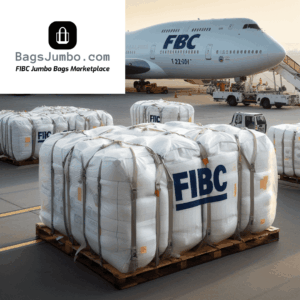
What is fibc bags?
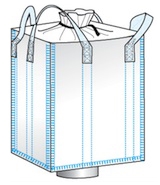
FIBC bags, also known as Flexible Intermediate Bulk Containers or jumbo bags, are large, flexible containers used for storing and transporting dry, flowable products. Imagine them as giant, industrial versions of reusable grocery bags, but much more durable and versatile. Here’s a breakdown of what they are and why they’re so widely used: What are they made of? FIBC bags are typically made from woven polypropylene (PP) fabric, a plastic known for its: Polypropylene fabric Other materials like polyethylene (PE) or natural fibers like jute can also be used for specific applications, but PP remains the most popular due to its overall balance of properties and affordability. What are their different types? There are various types of FIBCs available, each with specific features and capacities: Standard FIBC bag Mini FIBC bag Jumbo FIBC bag Who uses them? The applications for FIBC bags are incredibly diverse, spanning numerous industries: Why are
Who uses fibc bags?
FIBC bags (Flexible Intermediate Bulk Containers) are used across a wide range of industries due to their versatility and cost-effectiveness. Here are some of the most common users: Agriculture: Construction: Food and Beverage Industry: Chemical Industry: Pharmaceutical Industry: Other Industries: In addition to these specific industries, FIBC bags are also used in many other scenarios, including: Ultimately, the applications for FIBC bags are vast and diverse. Their flexibility, strength, and affordability make them a valuable tool for businesses and organizations across various sectors.
What are fibc bags?
FIBC bags, also known as Flexible Intermediate Bulk Containers or jumbo bags, are large, flexible containers used for storing and transporting dry, flowable products like sand, fertilizer, granules, and even food items. They are a widely used alternative to rigid containers like drums, barrels, and pallets, offering several advantages: Benefits of FIBC bags: Construction of FIBC bags: FIBCs are typically made from woven polypropylene (PP) fabric, offering strength, durability, and moisture resistance. Other materials like polyethylene (PE) or natural fibers like jute can also be used for specific applications. The fabric is stitched together to create the body of the bag, and additional features like straps, liners, and reinforced seams can be incorporated depending on the intended use. Types of FIBC bags: There are various types of FIBCs available, each with specific features and capacities: Choosing the right FIBC bag: The selection of the appropriate FIBC bag depends on several